
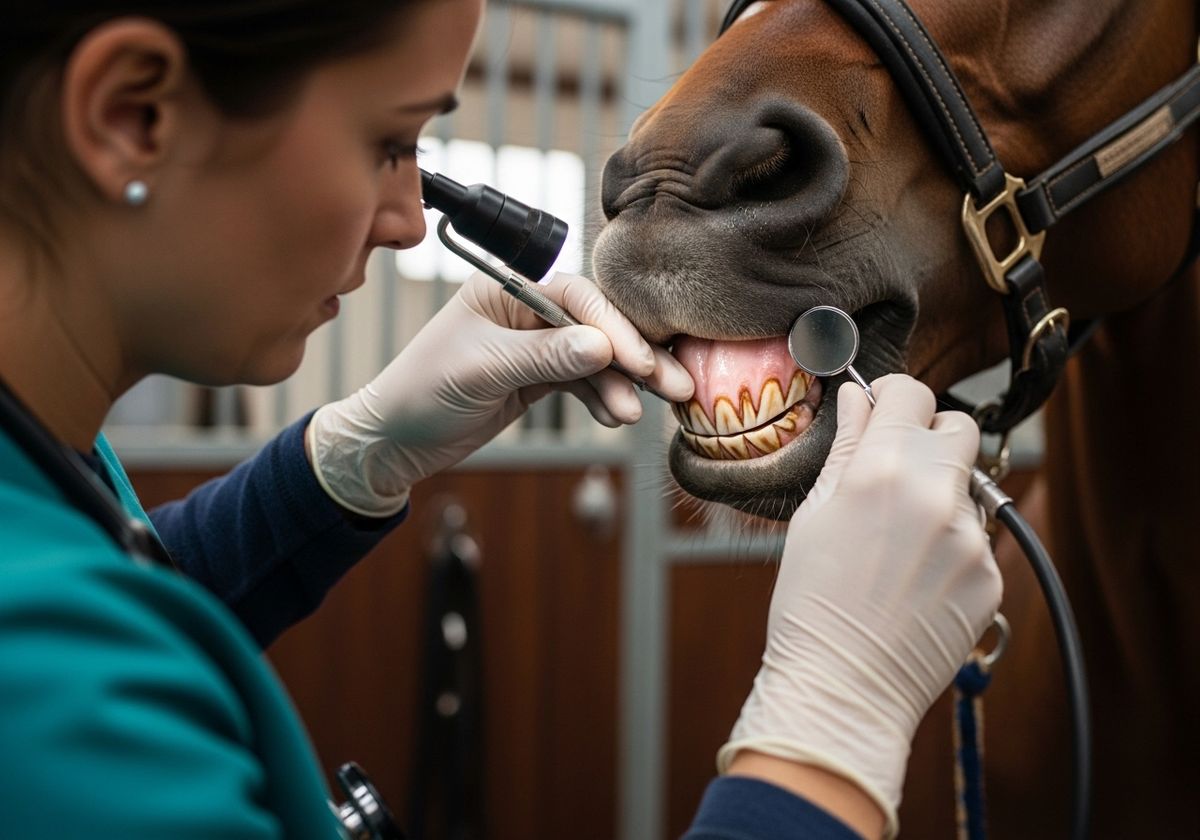
Maintaining your horse's dental health is crucial for their overall well-being. As a large animal veterinarian, I often see how dental issues can significantly impact a horse's ability to eat properly, which in turn affects their health and performance. Recognizing common dental problems early and seeking appropriate care can make a world of difference for your equine companion. Let's explore some of the key aspects of equine dental care.
Recognizing Common Equine Dental Issues
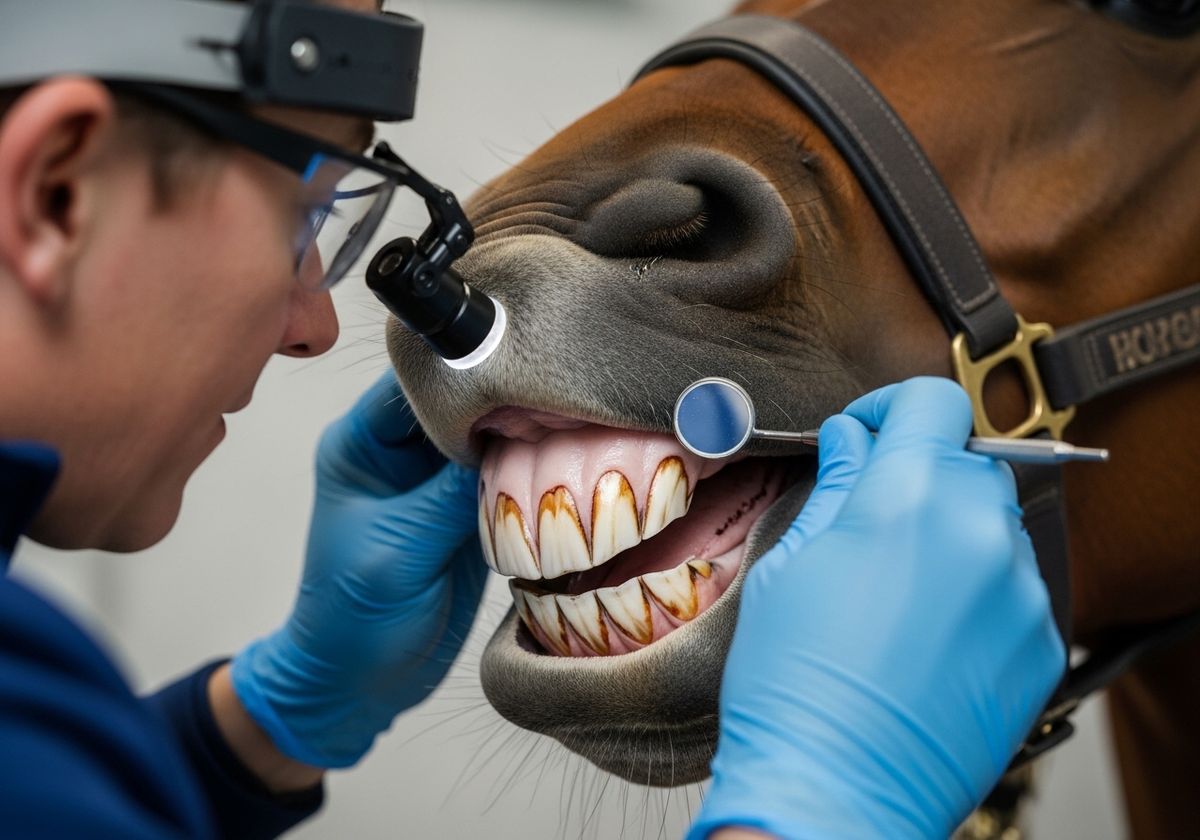
One of the most common dental problems in horses is the development of sharp enamel points. Because a horse’s upper jaw is wider than their lower jaw, sharp points often form on the outside of the upper cheek teeth and the inside of the lower cheek teeth. These points can cause lacerations on the cheeks and tongue, leading to discomfort and difficulty chewing. Other common issues include:
Malocclusion (Misalignment of teeth): This can lead to uneven wear and the development of hooks or ramps on the teeth.
Dental Abscesses: Infections in the tooth root can cause significant pain and swelling.
Periodontal Disease: Inflammation and infection of the tissues surrounding the teeth.
Retained Caps: Young horses may retain deciduous teeth (caps) that can interfere with the eruption of permanent teeth.
Wave Mouth: Uneven wear of the teeth, creating a wave-like pattern.
The Importance of Regular Equine Vet Checkups
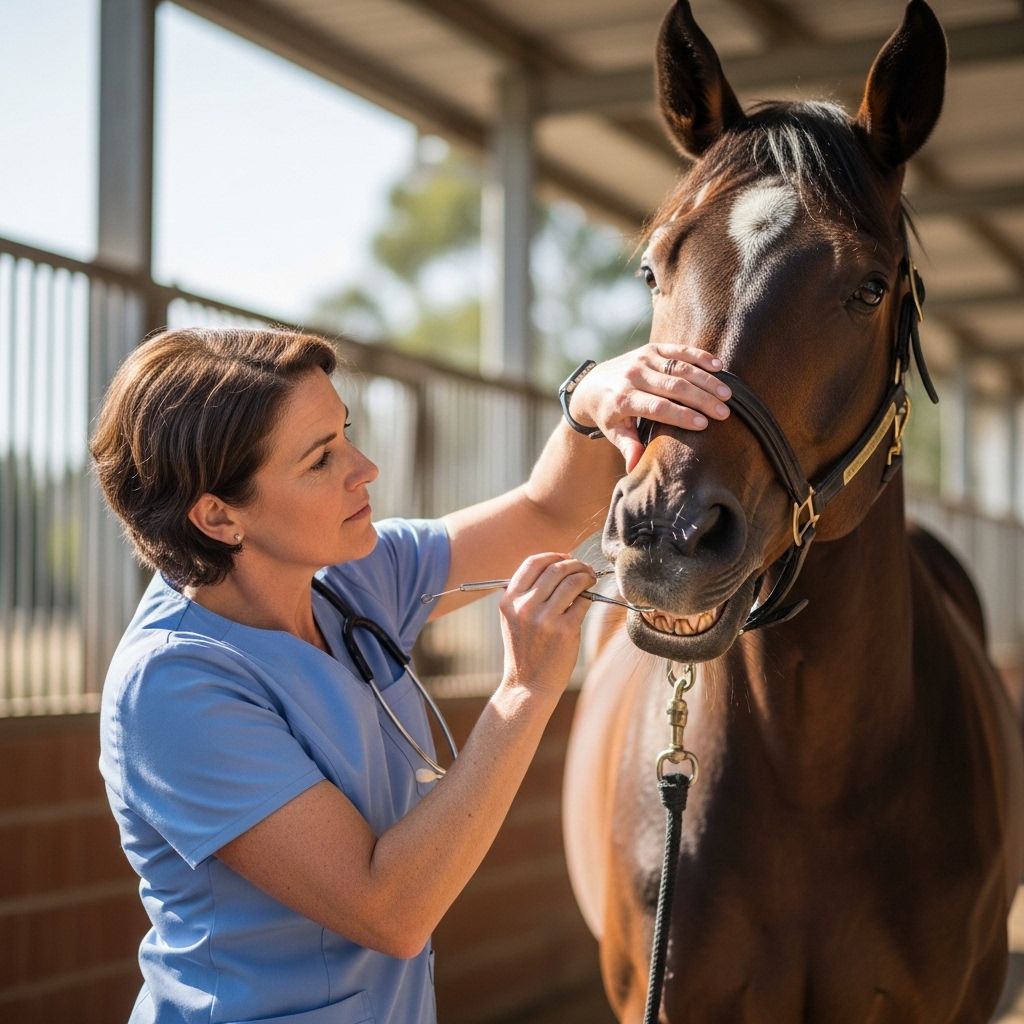
Regular dental exams by an experienced equine vet in Savannah are essential for maintaining your horse's dental health. A thorough oral examination can identify problems early before they become severe. During a dental exam, the veterinarian will:
Evaluate the alignment of the teeth
Check for sharp points, hooks, and ramps
Look for signs of infection or periodontal disease
Assess the overall health of the mouth
Treating Equine Dental Issues
Once dental issues are identified, appropriate treatment can be administered. Common treatments include:
Floating: This involves using specialized rasps or motorized equipment to remove sharp enamel points and smooth the teeth. Floating helps restore proper chewing function and prevents further soft tissue damage.
Extractions: Severely damaged or infected teeth may need to be extracted to alleviate pain and prevent the spread of infection.
Periodontal Treatment: This may involve cleaning the teeth, removing infected tissue, and administering antibiotics.
Corrective Procedures: In some cases, corrective procedures may be necessary to address malocclusion or other dental abnormalities.
Preventative Measures for Optimal Dental Health
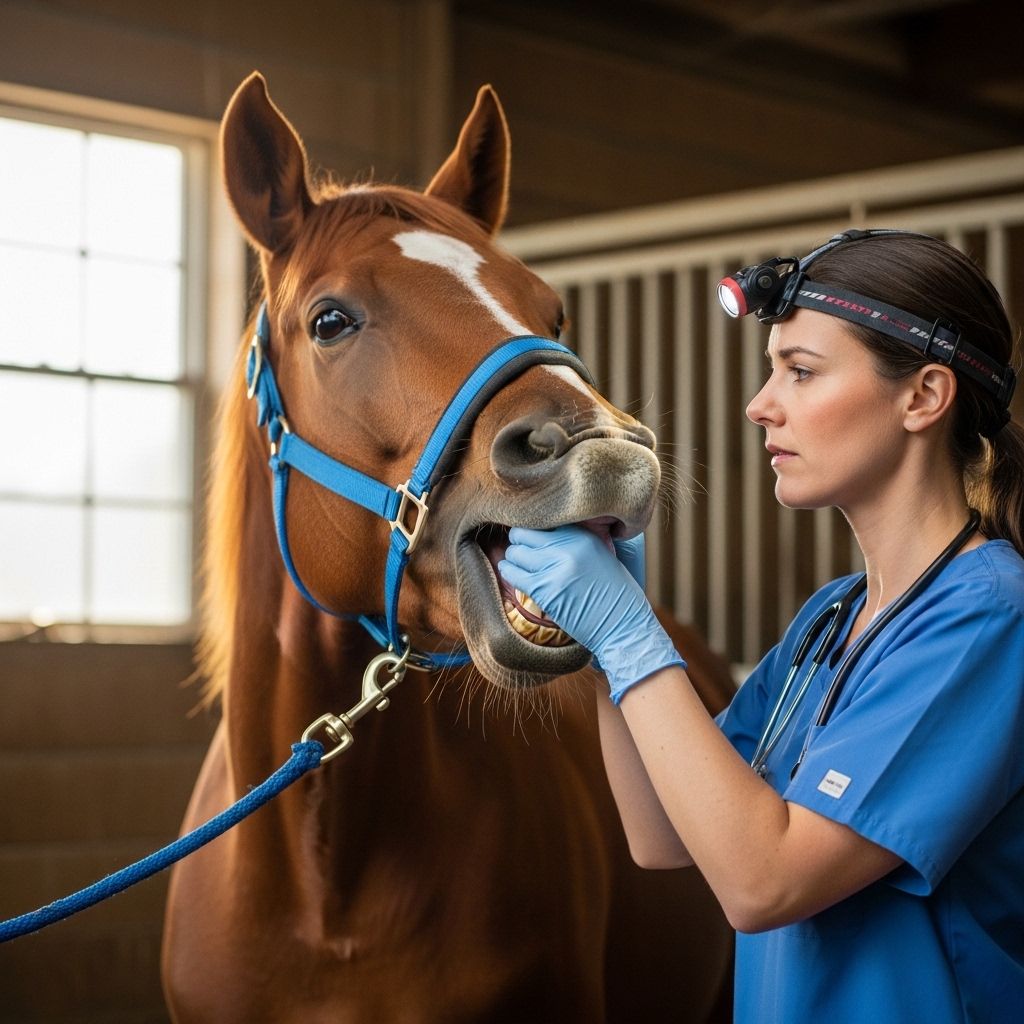
While not all dental problems can be prevented, there are steps you can take to promote optimal dental health in your horse:
Regular Dental Exams: Schedule routine checkups with your large animal veterinarian to catch and address issues early.
Proper Diet: Provide a balanced diet with adequate forage to promote natural wear of the teeth.
Avoid Overgrazing on Sandy Soil: Sand ingestion can accelerate tooth wear.
Provide Access to Fresh Water: Proper hydration is essential for overall health and can help prevent some dental issues.
Equine dental care is an integral part of overall horse health. Recognizing common issues, seeking regular veterinary care, and implementing preventative measures can help ensure your horse enjoys a comfortable and healthy life. At Carter Veterinary Services, we are passionate about providing comprehensive and tailored veterinary services to meet the unique needs of your animals. If you're in the Lowcountry region and notice any signs of dental issues in your horse, don't hesitate to reach out to us. We're here to help your equine companions thrive. Contact us today to schedule a dental exam or learn more about our services!